
ALL ARTICLES AND INSIGHTS
Explore strategy, markets, and business perspectives.

The Team That Owns the Result Should Not Own the Diagnosis
When a regional team explains a sales shortfall and also requests the budget to fix it, the diagnosis and the funding ask reinforce each other. Objective positioning gives headquarters an independent view of the brand's market standing before spend is approved.

A Cautious Share Forecast Can Be the Riskiest Number in the Model
Lowering a market share forecast feels like prudence. But when costs of running a market stay in place, caution can quietly turn a viable market into an apparent loss. This Insight explores why one assumption can decide whether a market is ever pursued.

Your FOB Price Is Not Your Retail Price: Understanding Where the Margin Goes
Population and current market size are the easiest numbers to find, and the easiest to over-trust. Using sports nutrition across India, Japan, South Korea and China, this article shows why headline size misleads, and what a better first screen asks instead.

Your Offline and Online Prices Are Not Comparable Until the Brand Margin Is in Both
Offline and online prices can be calculated with the same discipline and still not be comparable. The difference may sit in where the brand’s own margin enters the model. Which channel looks cheaper once both builds carry the same definition?

A Lower FOB Cost Can Worsen Your Viability Ratio While Improving Your Price
Lower your FOB cost and the shelf price falls, yet the viability ratio can slip. The reason sits in which layers of the chain move with cost and which do not. What is your ratio actually telling you?

A 38% Distributor Margin Is Not a Number Until You Know What It Is a Percentage Of
Two distributors quote the same 38% margin. Applied to different bases, the shelf price differs by several dollars and the viability reading can change category. Before comparing proposals, what exactly is the percentage a percentage of?

The Strongest Distributor on Paper May Be Wrong for Your Route to Market
Distributor strength is not absolute. A partner with impressive reach can still be wrong for an e-commerce-led entry, or unable to import your category at all. This Insight examines why partner suitability depends on decisions made before the search begins.

A Distributor Can Look Legitimate and Still Have a Network That Has Gone Quiet
Checking that a distributor exists is not the same as knowing it is still commercially alive. This Insight examines why visible market activity may reveal more about a partner's real capability than its credentials, and what dormant networks mean for market-entry decisions.

The Best Distributor Lead in the Market May Already Belong to Your Competitor
A competitor's distributor looks like the safest lead on any list. But the same brand roster that signals category credibility can also signal conflict, or stretched resources. This Insight examines how executives should read a distributor's portfolio before treating it as proof of fit.

Signing the Partner and Readying the Brand Aren't Two Separate Decisions
A strong distributor cannot execute effectively without the right market-ready assets. Partner selection and brand readiness should be evaluated together to ensure the brand can actually support the partner it appoints.

A Finished Asset Isn't Necessarily a Reusable One
An asset library can look complete and still be unusable in a second market — because a finished edit and an adaptable one are not the same asset.

Margin Is Not Viability: The Category That Works at Scale but Not at Entry Volume
A category's headline margin tells executives little about whether it will pay in a new market. What matters is what it earns after the value chain and at the volume a distributor can actually absorb. The gap between the two is where launches quietly lose money.

The Second Wave Is Won Before the First Lands: Why Launch Timing Is a Registration Decision
Second-wave categories are often ranked lower because their route to market is slower, not because they matter less. Executives who wait for the first category to sell before starting the next one's groundwork turn a planned sequence into an unplanned stall.

The Factor That Looks Smallest on Paper Can Matter Most at Launch
Market size and growth often dominate research, but less prominent factors can determine whether a market is actually ready for entry. Learn how to identify the assumptions and requirements that could have the greatest impact on execution.

A Market Assessment Has a Shelf Life
Market conditions change, especially regulation and competitive activity. A decision built on outdated evidence can create problems during execution. Learn why market assessments need to be dated, monitored, and revisited.

An Assumption Is Not a Finding
A market recommendation can appear fully evidence-based while one unverified assumption quietly shapes the conclusion. Learn how to identify assumptions that could change the decision—and where further research matters most.
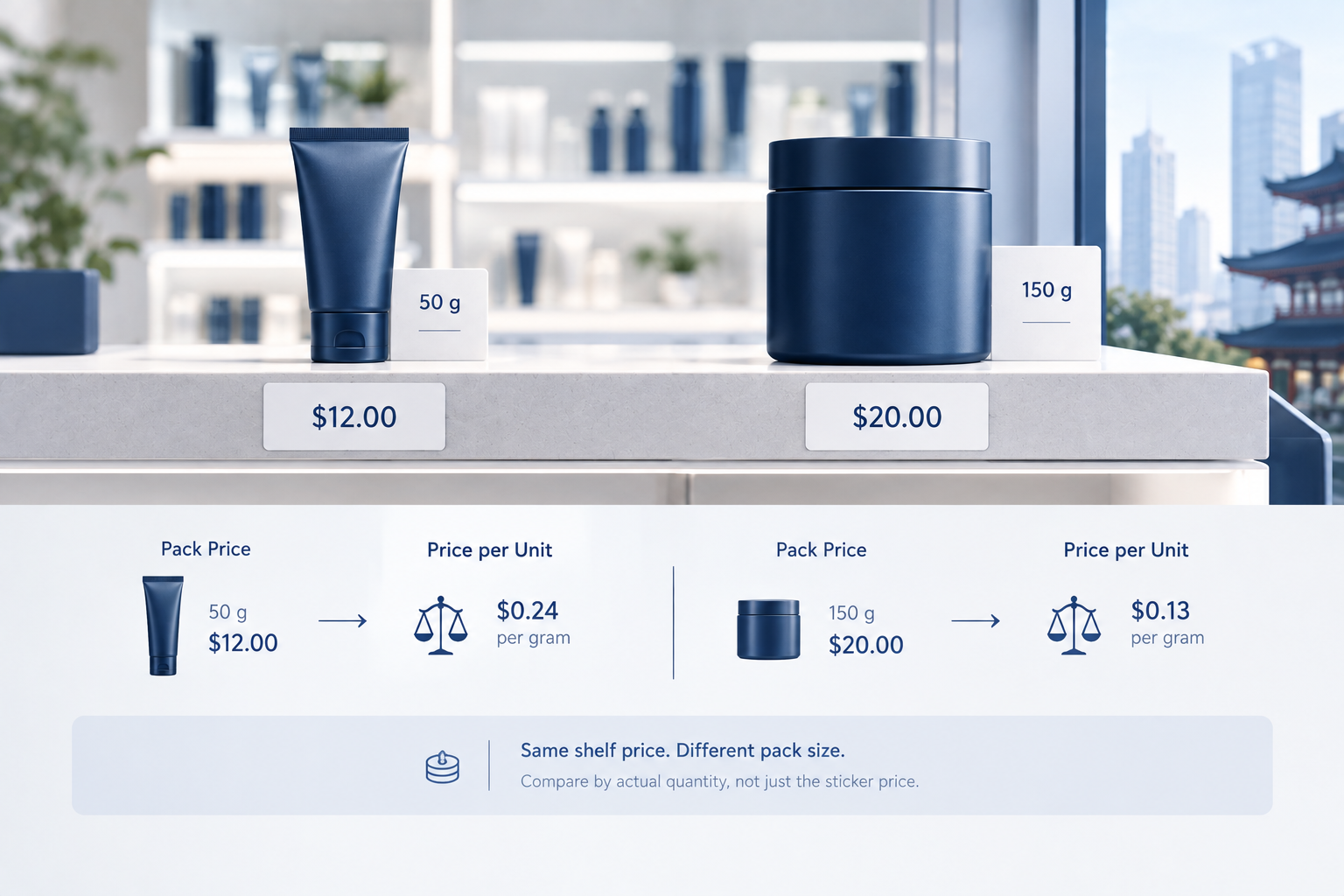
Comparing Sticker Prices Across Different Pack Sizes Is Comparing the Wrong Number
Comparing sticker prices alone can give a misleading view of competitive positioning. Normalize prices by pack size to understand what consumers are actually paying per unit.

Strong Sales at a Premium Price Can Mean You Are Underpriced, Not Positioned Correctly
Strong sales at a premium price may signal that customers are willing to pay more. Learn how to interpret price and volume together to identify potential margin opportunities.

Your "Best-Seller" Isn't the Same Product in Every Market
When entering a new Asian market, assuming the same flagship product will anchor pricing can lead to misleading benchmarks and poor pricing decisions. Before building the comparison, confirm which SKU actually leads in the target market.

The Competitor You Identified Two Years Ago Has an Expiry Date You Never Set
A competitor identified at market entry can quietly become the wrong benchmark as the market changes. Expansion brands need to periodically re-check who is actually competing for their position today—before outdated assumptions shape pricing, promotions, and strategy.